
What Does GSM Mean in Clothing? Understanding Fabric Weight
October 10, 2026
GSM means grams per square metre. It describes how much a square metre of fabric weighs. If that area weighs 300 grams, the fabric is 300 GSM.
It is a measurement of fabric weight, not the weight of the entire garment. A finished piece also includes seams, trims, and potentially other fabrics.

Read the number with the fabric description
GSM is most useful alongside the composition and construction. Two fabrics with the same GSM can still feel and behave differently. The number alone cannot tell you whether a garment will be soft, breathable, durable, or right for your routine.
When comparing pieces, read the full description and look closely at how they sit on the body. Fabric weight is one part of that decision.
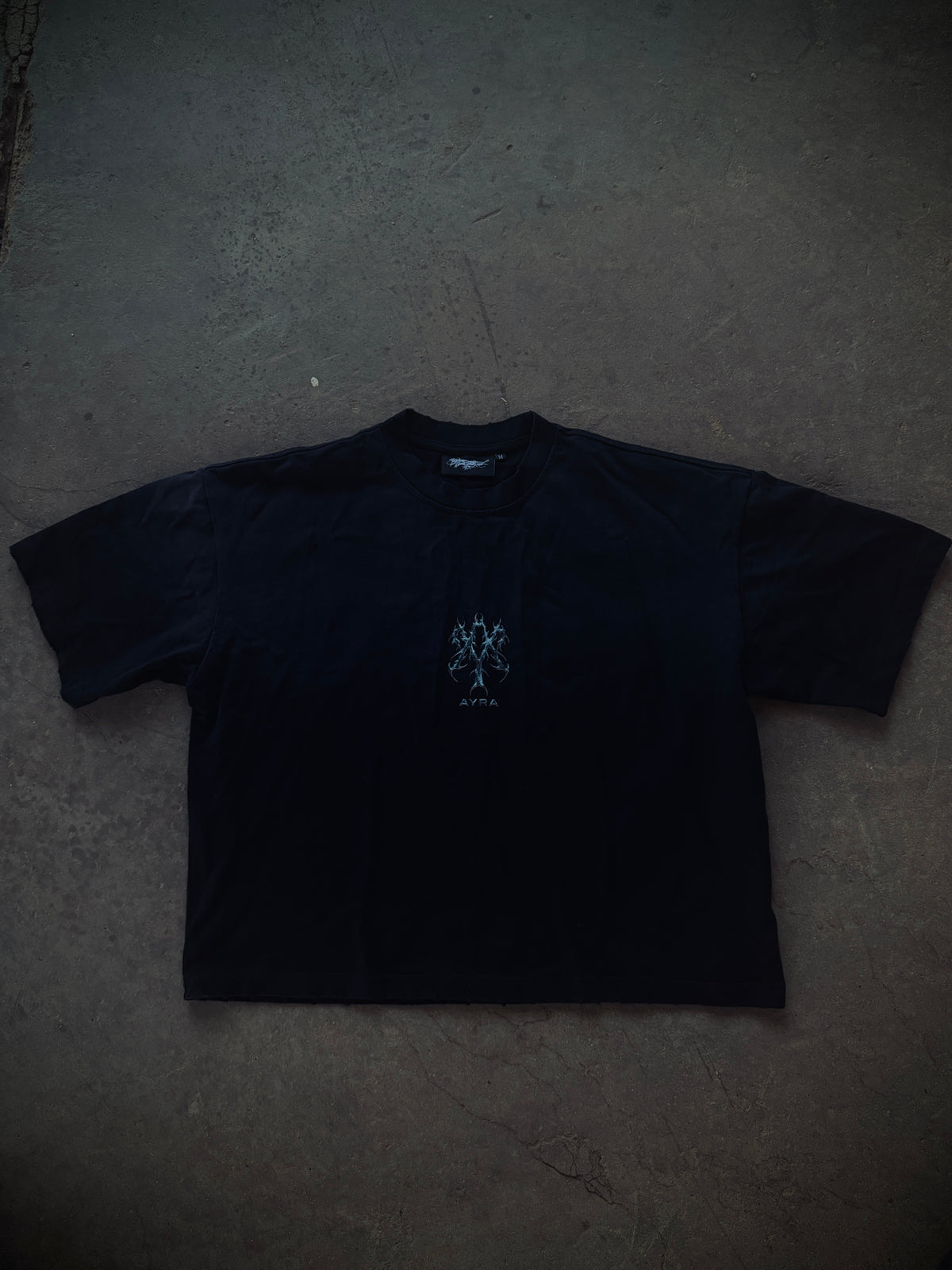
For a practical example, the VESSEL Pump Cover lists its fabric weight alongside its cotton composition and cropped, oversized fit. Reading those details together tells you more than the weight alone.
A simple way to picture it
Imagine two fabric samples that are each exactly one square metre. One weighs 200 grams and the other weighs 400 grams. The second has twice the mass over the same area.
That does not mean a shirt made from it will weigh exactly twice as much as another shirt. Their sizes, cuts, trims, and fabric usage may differ.
This is why weighing a finished tee on a kitchen scale does not give you its GSM. You know the garment’s total weight, but you do not know the precise area or weight of each material used to make it.
How GSM is calculated
The calculation is:
GSM = sample weight in grams ÷ sample area in square metres
For example, a fabric sample measuring 10 cm by 10 cm has an area of 0.01 square metres. If it weighs 3 grams, the calculation is 3 ÷ 0.01, giving 300 GSM.
For that exact sample size, multiplying its weight in grams by 100 gives the same answer.
Treat a home measurement as an estimate. An uneven cut, an imprecise scale, or a sample that includes stitching can change the result. A small sample also makes tiny weighing errors more significant. Use a spare piece of fabric if you have one rather than cutting into clothing you want to keep wearing.
What to look for on a product page
Start with the piece itself. Are you shopping for a light layer, a substantial everyday tee, or sweats with a particular shape? Then check these details together:
- Composition: What fibres are listed, and in what proportions?
- Construction: Is the material described as jersey, fleece, French terry, or something else?
- Fit: How much room is built into the garment, and where does it sit?
- Care: Does the label call for a washing or drying routine you can follow?
- GSM: How does the fabric weight fit with the rest of that description?
If a product does not list its GSM, ask the brand. Photographs and words such as “premium” cannot give you a reliable measurement.
Questions before you choose
Does 100% cotton tell me the GSM?
No. Fibre composition and fabric weight are separate details.
Can I compare the weight of two finished shirts?
You can compare their total weights, but that is a different comparison from GSM. Different sizes and cuts use different amounts of material.
Should I always choose the highest number?
Choose the garment that suits your intended use. A number cannot make that decision for you.
Use GSM alongside composition, construction, fit, and care instructions. When a detail is missing, ask for it rather than judging the fabric from a photograph.