
Oversized vs. Sizing Up: What Actually Changes?
October 10, 2026
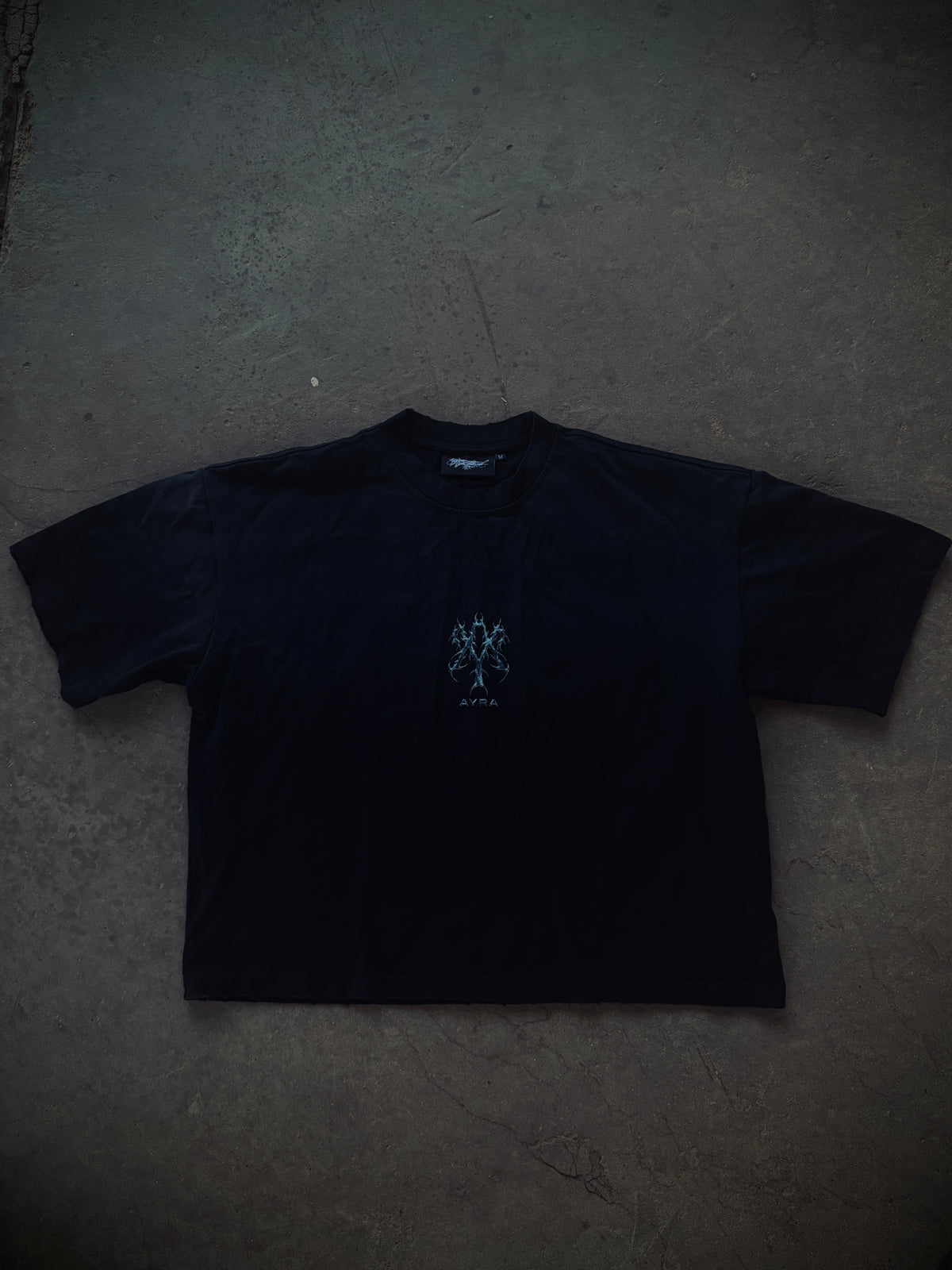
An oversized garment is designed with extra room as part of its intended silhouette. Sizing up means choosing a larger size within the same design. Both can create a looser fit, but they do not necessarily create the same shape.
If you have ever bought a bigger shirt hoping for a boxy fit and ended up with a much longer shirt, you have already noticed the difference.

What changes in an oversized cut?
Depending on the design, an oversized shirt may have a wider body, dropped shoulders, fuller sleeves, or a different balance between width and length.
Those details are choices built into the pattern. A shirt can be wide through the chest and still finish relatively high at the waist. Another can have a long body and narrow sleeves. Both may be described as relaxed, but they will look different on you.
The label alone does not explain the whole fit. Look at the measurements and how the garment sits on a person.
What happens when you size up?
As sizes increase, several dimensions typically change together. You may gain chest room, but also body length, sleeve length, or a larger neckline. The exact changes depend on the brand and garment.
That can be exactly what you want. A larger regular shirt might give you a comfortable, longer layer. It just may not produce the shorter, wider outline you had in mind.
Compare these four details
| Detail | What to look for |
|---|---|
| Shoulder placement | Does the seam sit near your shoulder or farther down the upper arm? Some sleeve constructions have no conventional shoulder seam. |
| Body width | Is the extra room concentrated in the torso, or is the whole garment scaled larger? |
| Body length | Where does the hem land with the bottoms you plan to wear? |
| Sleeves | Do their length and width feel balanced with the body? |
Choose the shape before the size
Start with the look you want. For a wider, shorter silhouette, look for a boxy or cropped design and confirm the measurements. For more coverage, look at body length. For room through the arms, compare sleeve details as well as chest width.
Then use the size chart to choose within that design. Compare against a shirt you own, laid flat using the same measuring method.
Model photos can help, especially when height and size worn are provided. Use them alongside the chart rather than expecting the same size to sit identically on every body.
An example of a deliberately oversized cut
The AYRA VESSEL Pump Cover has dropped shoulders and a boxy, cropped shape. It is oversized by design. It illustrates how extra width can be built into a shorter garment. If you prefer more torso coverage, compare its length with a longer cut instead of assuming a larger size will solve that.
Before going larger, compare the chest and length measurements. Decide whether you want more volume or simply a different hem position.
Questions before you choose
Can I size down in an oversized shirt?
You can, but check all the measurements. Less width can also come with a shorter body or shorter sleeves.
Is oversized the same as baggy?
The words often overlap in product descriptions. Measurements and fit photos are more useful than treating either word as a universal sizing rule.
Should every piece in an outfit be oversized?
That is your call. A roomy top with wide bottoms creates a different outline from a roomy top with a closer fitting bottom. Try the proportions together.
Choose the outline you want to wear. Then find the size that gives it to you.